TL;DR:
Brownsville truck and SUV owners can elevate their off-road driving capabilities through regular maintenance practices. This guide delves into essential components of vehicle care, focusing on techniques to enhance performance and safety during challenging terrain navigation. By following these steps, Brownsville residents can confidently conquer diverse off-road adventures.
Introduction: Unlocking the Potential of Your Brownsville Truck or SUV
In the rugged landscapes surrounding Brownsville, Texas, a reliable truck or SUV is not just a vehicle—it’s a key to exploring remote areas and conquering off-road challenges. Proper brownsville truck suv maintenance plays a pivotal role in ensuring these vehicles perform at their best when facing diverse terrains. This comprehensive guide aims to empower local drivers with the knowledge and skills necessary to maintain and enhance their off-road driving capabilities.
Section 1: Understanding the Unique Demands of Off-Road Driving
The Challenges of Extreme Terrains
Off-road driving in Brownsville presents unique challenges due to varied terrain, including sandy dunes, rocky outcrops, and muddy trails. These conditions demand specialized vehicle preparation and driving techniques.
Components Under Stress
Key components of your truck or SUV are particularly susceptible to wear and tear during off-road adventures:
- Tires: Off-road tires with appropriate tread patterns are crucial for traction on loose surfaces.
- Suspension: Navigating rough terrain can stress the suspension system, affecting ride quality and control.
- Engine: High-performance engines may require tuning for optimal fuel efficiency and power output while climbing steep slopes.
- Cooling System: Extreme temperatures during off-road drives can put a strain on cooling systems, leading to overheating risks.
Section 2: Essential Maintenance Tasks for Optimal Performance
Regular Checks Before Each Adventure
Before embarking on an off-road excursion, conduct these critical checks to ensure your vehicle’s readiness:
- Tire Pressure and Wear: Inspect tire tread depth and pressure. Ensure they are properly inflated and consider carrying a spare.
- Fluid Levels: Check engine oil, coolant, brake fluid, and power steering fluid levels. Top off as needed.
- Battery Health: Test the battery voltage to ensure it’s charged enough for the journey.
- Light and Signal Functionality: Verify all exterior lights and signals are working, enhancing visibility during low-light conditions.
Deep Cleaning and Inspection
Periodically, schedule a thorough cleaning and inspection:
- Underbody Scrubbing: Remove mud, sand, and debris from the underbody to prevent rust and corrosion.
- Frame and Body Check: Inspect for any signs of damage or stress, especially after navigating challenging trails.
- Exhaust System Evaluation: Look for leaks or damage, as off-road driving can put additional strain on this component.
- Brakes and Suspension: Regularly inspect brakes for wear and suspension components for loose parts.
Maintenance Tips:
- Lubrication: Keep all moving parts lubricated to reduce friction and wear.
- Filter Replacement: Change air and fuel filters regularly to ensure optimal engine performance.
- Differential Service: Have differentials serviced as recommended by the manufacturer to maintain proper lubrication.
- Engine Tuning: Consider professional tuning for optimized performance, especially if modifying your truck or SUV.
Section 3: Advanced Techniques for Off-Road Driving Mastery
Mastering Basic Off-Road Maneuvers
Build a solid foundation in these essential skills before tackling more advanced techniques:
- Hill Climbing: Practice climbing steep slopes by applying steady throttle and controlling wheel spin with differential lock (if equipped).
- Downhill Control: Learn to control speed while descending, using brakes gently and adjusting tire pressure for better traction.
- Water Crossings: Approach shallow crossings slowly, ensuring your vehicle is high enough to clear the water without submersion.
Advanced Off-Road Driving Tactics
For experienced drivers seeking to conquer more demanding terrains:
- Rock Crawling: Use low gear and engage differentials for maximum traction when navigating rocky, steep descents.
- Sand Driving: Reduce speed and use a higher gear to minimize tire spin in deep sand. Consider adding larger tires with low-pressure settings.
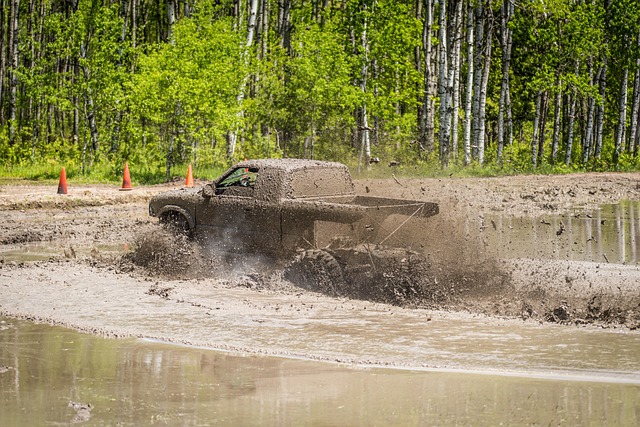
- Muddy Trails: Treat slippery mud like ice, using gentle steering inputs and avoiding sudden maneuvers.
Safety Considerations:
- Always drive within your comfort level and experience.
- Never attempt a maneuver without understanding the risks involved.
- Carry essential safety gear, including a first-aid kit, fire extinguisher, and emergency supplies.
Section 4: Choosing the Right Tools and Accessories
Essential Off-Road Tools
Invest in these tools to facilitate quick repairs and roadside assistance:
- Jack and Tire Iron Set: Necessary for changing tires or performing basic underbody repairs.
- Wrench Set: For tightening and loosening various components, especially wheel nuts.
- Multi-tool: A compact tool with multiple functions can be invaluable in remote areas.
- Emergency Repair Kit: Include items like a patch kit, tire plug set, and a can of temporary fluid.
Modifying Your Vehicle (Optional)
For those seeking enhanced performance:
- Lift Kits: Raising your truck or SUV allows for larger tires and improved ground clearance.
- Tire Upgrades: High-performance off-road tires offer better traction on diverse surfaces.
- Differential Locking Systems: These mechanisms prevent wheel spin during challenging terrain navigation.
- Exhaust System Upgrades: Consider a performance exhaust for increased power, but ensure it’s suitable for off-road use.
Frequently Asked Questions (FAQs):
Q: How often should I get my truck or SUV serviced for optimal off-road performance?
A: Follow the manufacturer’s recommended service schedule, or at least every 3,000 to 5,000 miles, focusing on critical components like tires, fluids, and brakes.
Q: Can I drive my stock vehicle everywhere?
A: While many modern trucks and SUVs handle mild off-road trails, extreme terrain may require modifications and advanced driving skills. Always assess the challenge and consider your vehicle’s limitations.
Q: What is the best type of tire for off-road use in Brownsville?
A: Choose tires with deep tread patterns designed for off-road adventures. Consider local conditions—sand, mud, or rocky trails—and select tires optimized for those specific challenges.
Q: Is it safe to drive my truck/SUV on the most difficult off-road trails near Brownsville?
A: Safety is paramount. Only attempt trails within your skill level and experience. Ensure your vehicle is properly prepared, and carry essential safety gear. Always inform someone of your planned route and expected return time.
Conclusion:
Brownsville truck suv maintenance is not just about keeping your vehicle in top condition; it’s about unlocking the full potential of your off-road machine. By following the steps outlined in this guide, drivers can enhance their skills, maintain their vehicles effectively, and confidently explore the diverse landscapes surrounding Brownsville. Remember, safety should always be the priority when venturing into the great outdoors.